
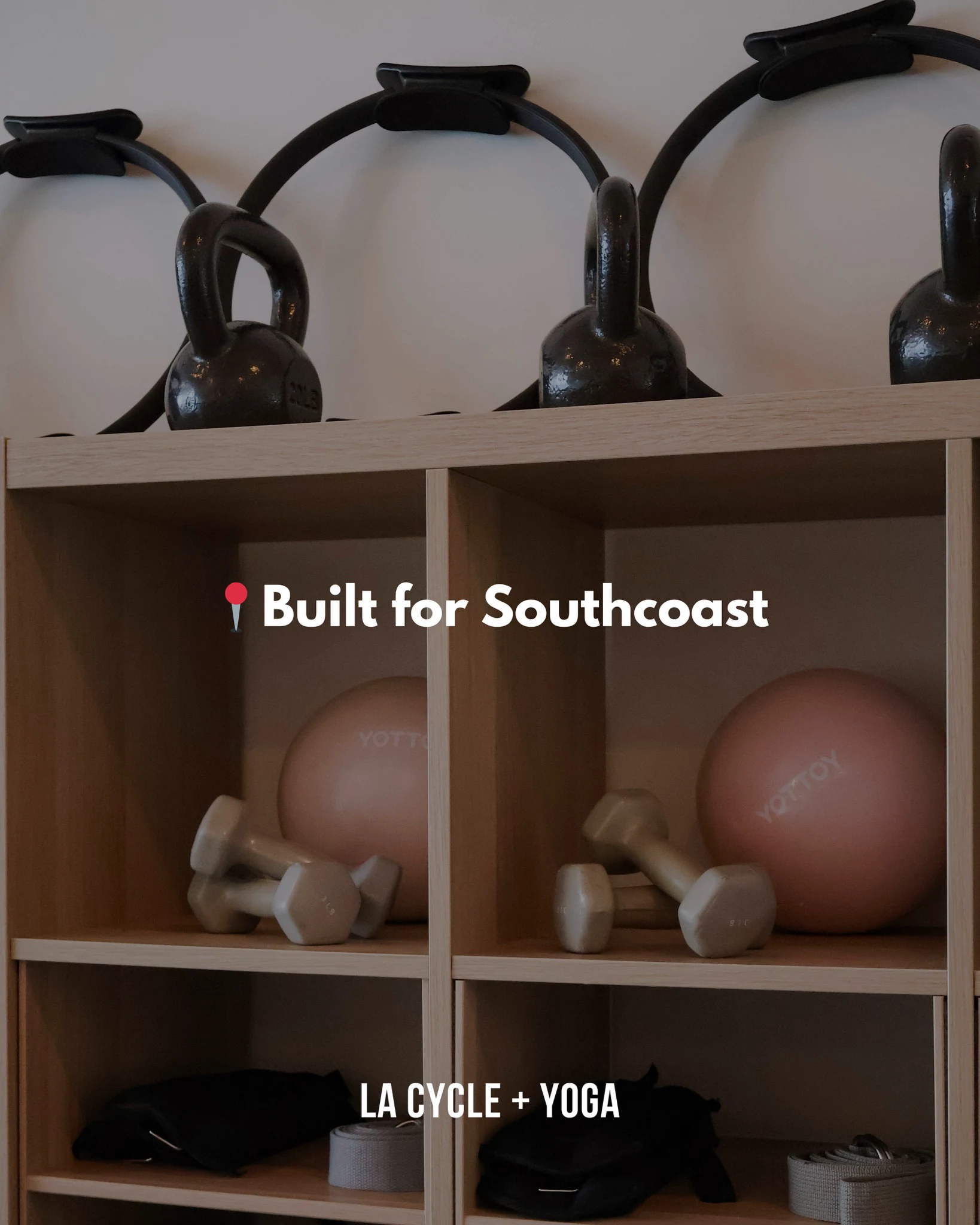
Understand the exercise before selecting the load
Watch the demonstration and identify the range, body position and intended movement speed. Ask whether the set is organized by repetitions or time. Without those details, choosing a weight is mostly guessing. A familiar exercise name can also include variations that change the challenge substantially.
ACE's programming guidance treats exercise selection, intensity, sets and repetitions as connected decisions. You do not need to calculate a maximum lift to participate in a group class, but you do need to know what the instructor expects. Start conservatively when the movement is unfamiliar and use the first controlled repetitions to gather information rather than prove a point.
Look for control across the full repetition
The load should allow you to move through the intended range without relying on a swing, twist or abrupt change in position. Pay attention to the lowering phase as well as the lift. Getting the weight up once does not establish that it fits the whole set.
If you lose the movement pattern early, reduce the load or ask for a simpler variation. Stop if the exercise causes pain. Conversely, if the set feels very easy and the pattern stays clear, ask whether a modest increase would serve the workout. The goal is not always the heaviest possible weight; sometimes the session is intentionally focused on learning, timing or repeated controlled movement.
Expect different exercises to need different choices
Keep more than one suitable option available when the class format allows it, but avoid spreading equipment into other participants' space. A larger movement and a smaller arm exercise may need different loads. Switching intentionally is better than using one dumbbell for everything simply because it is already in your hand.
Ask where unused weights should be placed and how transitions are organized. Set equipment down deliberately rather than dropping it as soon as the timer sounds. Choosing a weight includes being able to pick it up, carry it a short distance and return it with control—not only perform the middle of the exercise.
Adjust after changing tempo or repetition count
A slower lowering phase or a longer set can make the same load feel more demanding. ACE's tempo discussion explains how movement speed interacts with time under tension, repetitions and resistance. Treat that as a reason to reassess, not as evidence that you suddenly became worse at the exercise.
Change one variable at a time when possible. If you increase weight, keep the version and repetition target familiar. If the instructor introduces a new pause, consider keeping or reducing the load while learning it. A small adjustment you can understand is more informative than changing everything and then wondering why the final repetitions looked completely different.
Record enough to make the next choice easier
Write the exercise, the load and a brief observation about control. If the equipment has unclear markings, ask before recording a number. You can also note the variation or tempo, because those details explain why the same weight may feel different in another session.
At LA Cycle + Yoga, ask for help choosing resistance before the first demanding round when possible. Ask your class instructor about the available variations and equipment so you can choose an appropriate starting point for the workout. Your next set does not need to match anyone else's. It should match the movement you are practicing, the purpose of the session and a level of challenge you can organize from the first repetition through the last.
Explore your next step
Sources & further reading
Practice at a manageable effort, stop movements that cause pain and ask your instructor to clarify unfamiliar exercises. Check the current schedule for class formats and availability.